Plants / Carnivorous displays
Carnivorous plant terrariums: choose the care routine before the traps
Compare wet bog pots, humid sundews, tropical pitcher vines, and seasonal butterworts by the conditions you can provide.
By Terrarium GuideSources & editorial method
The short answer
For a humid indoor display, Cape sundew is a useful first comparison when you can provide its strong light and continually moist roots. Drosera adelae is a different, more demanding choice for very humid air, controlled root spread, and regular small prey. Nepenthes needs an aerated draining root zone and clearance for leaves, tendrils, and pitchers. Select the routine before mixing plants.
Choose a separately managed sunny bog pot for flytraps or Sarracenia purpurea when you can provide their water, medium, space, and seasonal routine. Mexican butterworts that switch to succulent leaves need a different watering phase. Use low-mineral water, verify the medium for the actual plant, and keep inspection and removal possible; a warm sealed jar does not settle these requirements.
Which care routine can your display support?
| Plant or explicit group | Light and root-zone direction | Season, space, and your decision |
|---|---|---|
| Cape sundew · Drosera capensis | RHS specifies full light with protection from hot sun under glass, and continual moisture in a rainwater saucer. In suitable warmer climates, it describes a sunny wet acidic bog. | Compare for a bright, reachable moist-root display. Verify the species rather than applying this to every sundew; a dark humid jar still fails the light decision. |
| Lance-leaved sundew · Drosera adelae | Very humid air, moist roots, suitable light and regular small prey; roots produce plantlets beyond the parent pot. | Choose a separately managed humid display when you can feed and contain it. Keep it out of a mixed shared bed whose neighbors must not be invaded. See the complete D. adelae routine below. |
| Venus flytrap · Dionaea muscipula | Strong sunlight or sufficient dedicated lighting; wet, low-nutrient acidic medium and low-mineral water. | Choose seasonal bog-pot care or the specific continuous-growth indoor light/feeding regime. Plan rosette expansion and access; humidity alone cannot make the routine work. |
| Purple pitcher plant · Sarracenia purpurea | NC State specifies full sun in growth, wet acidic roots, and rainwater or distilled water. Its reclining pitchers form an expanding rosette. | Compare for a sunny seasonal container, with the subspecies and local winter protection checked. A low pitcher is not a promise of a small permanent indoor jar. |
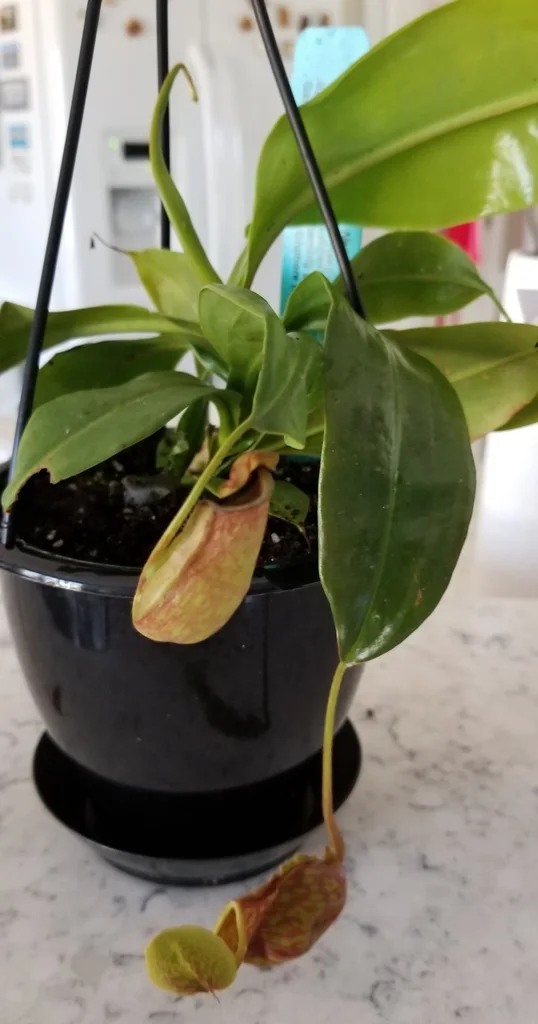
| Tropical pitcher plant · identified Nepenthes species or hybrid | Moist but well-drained medium with air around the roots; bright light, suitable humidity, and actual day/night temperatures matched to the named plant. | Use a reachable draining pot and room for leaves, tendrils, hanging pitchers, and later vine growth. Lowland and highland requirements are different; do not put it into a generic standing-water bog bed. |
| Mexican Pinguicula that change leaf form | ICPS describes humid active carnivorous growth, followed by cooler, drier care when succulent non-carnivorous leaves develop. | Use an independently managed pot and follow the actual leaf phase and species guidance. Not every butterwort changes leaf form; this is not a routine for the whole genus. |
Evidence[9][10][4][12][18][13][17][14][19]
- Choose the root zone and water source Separate wet bog roots, aerated pitcher-plant roots, and phase-dependent watering.
Scope and important limits
A useful fit when
- Choosing an identified carnivore and deciding whether its roots, light, and seasonal care fit your display.
- Distinguishing a wet bog-pot routine from aerated tropical-pitcher roots and seasonal butterwort care.
Use another path when
- A mixed carnivore collection justified only by high humidity.
- One temperature, fertilizer, watering, or dormancy rule for every carnivorous plant.
These are source-scoped selection comparisons. The flytrap condition below applies to its specified open bog routine; the other choices do not inherit that assessment or establish a new shared planting.
Similar-looking traps do not mean shared soil
| Care direction | Keep this requirement | Avoid this shortcut |
|---|---|---|
| Wet bog roots · flytrap / S. purpurea | Maintain the documented wet root routine using suitable low-nutrient medium and low-mineral water. Keep the crown accessible and apply the chosen seasonal plan. | A moist woodland houseplant mix or a drying succulent bed is not this root zone. |
| Cape sundew moisture | Keep the medium continually moist as its species profile directs; inspect the saucer and pot rather than misting the glass. | The species name matters. A tuberous or cold-temperate sundew does not inherit this routine. |
| Aerated tropical pitcher roots | Use a moist, porous, draining root zone for the identified Nepenthes; empty water trapped beneath a draining inner pot. | Shared humidity does not justify leaving that root zone in the same standing-water tray as bog pots. |
| Leaf-changing Mexican butterwort | Manage its own medium and watering according to active carnivorous or succulent leaf growth. | A year-round wet shared bed cannot independently become drier for one member. |
| Separate pots in one display | Independent root watering helps only when shared light, air, temperature, and seasonal needs also work. Keep every pot removable. | Stones between connected patches of medium do not create independently managed water zones. |
Evidence[4][18][9][17][19][14]
- Check water and medium labels Verify mineral content and the intended plant before relying on a product label.
Keep D. adelae as a managed humid sundew patch
ICPS directly supports its humidity, spreading roots and feeding needs. The pot and inspection arrangement below applies those facts to a reachable display; it does not make a shared-bed combination.
Set up a separate pot and inspect the light
NParks names long-fiber Sphagnum as a suitable consistently moist medium for this species. Use untreated material without added fertilizer, premoisten it with low-mineral water, and keep a healthy existing rootball at its original level in a removable pot. Support the fibers loosely rather than compressing them into a hard plug, leave the crown and leaves exposed, and inspect moisture and the water level. This species’ wet-root tolerance is not a rule for Nepenthes.
Give light to the leaves without cooking the enclosure
Use a bright filtered position or adjustable growing light and check heat at leaf height. NParks lists sun and semi-shade in its horticultural setting, while ICPS distinguishes this warm-tolerant rainforest sundew from cooler-growing D. schizandra. Begin with the plant’s existing exposure, adjust gradually, and keep enclosed glass out of heating direct sun; neither source supplies a single lamp distance for your vessel.
Feed small prey when the enclosure supplies none
Offer small live flies such as fruit flies to sticky healthy leaves, rather than washing or misting prey off them. ICPS reports decline when these plants are not fed well. D. adelae is less sensitive to dried bloodworms than its sisters, but small live prey is the simpler choice here; do not treat that tolerance as permission to fertilize a mixed bed.
Inspect beyond the pot boundary
Follow new plants arising from spreading roots and remove unwanted growth before it takes over adjacent pots. Keep the entire patch reachable. Choose Cape sundew’s separate routine if feeding access and spread control are beyond the care you want to provide.
Check water and medium before buying the plant
- Choose a low-mineral water source you can maintainClean rainwater, distilled water, or reverse-osmosis water are practical choices for the wet-root plants discussed here. A basic drinking-water filter does not establish removal of dissolved minerals; check the water specification rather than the word filtered.
- Keep the scope of peat-free evidence intactRHS reports successful peat-free trials for stated Sarracenia material and offers specialist alternatives. Choose a mix intended for the plant; neither a general peat-free houseplant mix nor those Sarracenia results settle every carnivore’s medium.
Evidence[6]
Choose a light and seasonal routine you can actually provide
Assess light at the leaves, not just the brightness of the room. Wet-root flytraps and purple pitcher plants require much stronger growing light than an ordinary shaded foliage jar. Give a glass display shade from overheating sun rather than trapping a plant in a sealed sunlit vessel.
Measure growing room along the plant’s direction. Sarracenia purpurea forms low, reclining pitchers and expands by rhizome offsets. Nepenthes needs leaf span plus tendril and pitcher clearance; a small plant may later become a vine.
Flytrap: seasonal rest and continuous indoor growth are different plans
Choose an ordinary seasonal routine with a cool rest, or the separate specialist indoor routine with strong dedicated light and regular feeding. A warm, dim jar supplies neither plan. Use the flytrap profile for the complete seasonal temperatures, duration and indoor-light requirements before choosing; the indoor exception is not permission to omit those conditions.
Sarracenia, sundews, and butterworts do not share one winter setting
For Sarracenia purpurea, confirm the subspecies, local climate, and protection for the actual pot. Sarracenia taxa and hybrids differ in winter tolerance; ordinary seasonal culture is different from the particular year-round indoor exceptions discussed by ICPS.
For subtropical sundews, ICPS describes a group that generally grows without cold-dormancy cues; cold-temperate and tuberous sundews are separate cases. D. adelae and its rainforest relatives also differ from one another. For Mexican butterworts with changing leaf forms, respond to the actual phase and seasonal light cues instead of keeping every member in permanently wet warm conditions.
- Choose the complete flytrap seasonal or indoor routine Keep the rest conditions, dedicated light and feeding requirements together in the species guide.
Allow room from the leaf to the hanging pitcher
Evidence[17]
Check the flytrap’s complete bog-pot conditions
The trap rosette is one identified choice with its own required care. This condition is for Dionaea in the specified open routine; it does not assess a shared bed with the other plants above.
Candidates for these conditions
Conditional fit
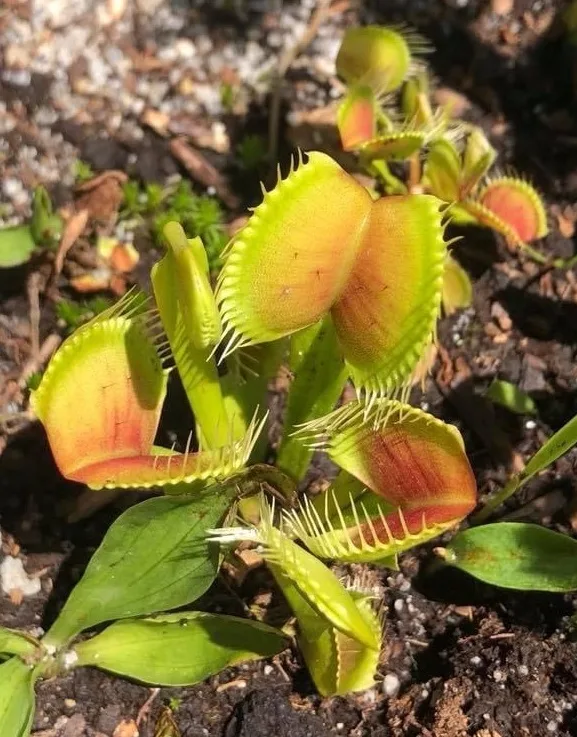
Dionaea muscipula
A conditional choice with strong light, acidic low-nutrient medium, rainwater or distilled water, and either seasonal rest or the source-described strong-light indoor alternative.
Read the plant profileFlytrap in an open, separately managed bog pot
A bright, open bog-pot routine, including the chosen seasonal or dedicated indoor light regime; not a generic warm closed jar.
A separately managed flytrap rosette in an open bog pot
- Planting zone
- A separately managed wet bog root zone with appropriate low-nutrient medium and low-mineral water.
- Check at the plant position
- Light regime at the leaves; Humidity at the plant; Water source; Carnivorous-plant medium; Winter rest or qualifying continuous-growth light regime; Actual rosette and growing space
Required care and access
- Keep the root zone wet with rainwater or distilled water; do not let the medium dry out.
- Use acidic, low-nutrient carnivorous-plant medium without fertilizer. Ordinary enriched houseplant soil is not a substitute.
- For ordinary seasonal care, provide at least ten weeks of winter rest. Alternatively, use the documented dedicated-light continuous-growth routine with sufficient light and regular feeding; an ordinary warm shelf does not qualify.
Change the care plan when a requirement conflicts
- Pitcher plant roots sit in the bog tray
- Identify which pitcher plant you have.
- Check
- Distinguish Sarracenia from Nepenthes, then compare its species or hybrid guidance with the actual root zone.
- Action
- For the moist, draining Nepenthes choice discussed here, use an independently managed draining pot and empty collected water. Keep appropriate wet bog roots on their own routine.
- Stop or reassess
- Do not use the common name pitcher plant to justify shared standing water.
- A butterwort makes smaller, succulent leaves
- Check the species and its current phase.
- Check
- For a leaf-changing Mexican species, this can be the non-carnivorous stage rather than a reason to add more water.
- Action
- Apply that species’ cooler, drier phase guidance and keep it independent of continually wet roots.
- Stop or reassess
- Do not turn every changed rosette into a generic dehydration diagnosis or apply this to all Pinguicula.
Evidence[14]
- Traps or pitchers decline
- Check conditions before feeding or sealing the display.
- Check
- Review the water source, root moisture, light, season, and air circulation. Low humidity can affect Nepenthes pitchers, but one declining trap does not identify the cause.
- Action
- Correct the plant-specific requirement. Keep the growing space reachable and observe new growth rather than closing the container automatically.
- Stop or reassess
- Do not feed meat, repeatedly trigger flytraps for display, or add ordinary soil fertilizer to this flytrap routine.
Feed the selected plant, not the shared soil
Keep feeding separate from watering and soil fertilization. NC State’s flytrap and S. purpurea profiles advise against fertilizer. Specialist Nepenthes and Mexican butterwort cultivation includes different feeding approaches; those exceptions do not authorize adding ordinary fertilizer to a mixed bed. Avoid meat and trap-triggering entertainment.
Cephalotus, Darlingtonia, Heliamphora, Utricularia, temperate sundews, and unknown hybrids are not extra members of this shortlist by default. ICPS maintains separate guides because their growth and conditions differ. Choose a named object with enough care information to compare against your actual setup rather than transferring the flytrap bog assessment.
Evidence[4][18][19][14][15][5]
- Follow the flytrap’s complete indoor feeding sequence Prepare suitable food and distinguish the first snap from full sealing and digestion.
- Choose humid foliage when specialist care does not fit Compare a different rooted planting routine.
Take the care decision to the seller
- Check cultivation origin and purchasing details Keep species-specific water and seasonal questions here while checking seller provenance and delivery.
Your next step
Use your plant shortlist
More detail when you need it
- Venus flytrap: planting and careCare for Dionaea muscipula with strong light, low-mineral water, nutrient-poor medium, and a seasonal plan. Plant, inspect dormancy, feed, and remove dead traps.
- Browse recorded plants and conditionsUse the explicit flytrap bog comparison without inheriting its verdict for other carnivores.
- Compare other display directionsChoose a humid rooted, drying succulent, or open epiphyte routine when that matches your conditions.
Explore more in plants
Sources and review
- Dionaea muscipula — ICPS Information Guide · International Carnivorous Plants Society
- Terrariums — MU Extension Guide G6520 · University of Missouri Extension
- Venus Flytrap Dormancy · North Carolina Cooperative Extension, New Hanover County Center
- Dionaea muscipula — NC State Plant Toolbox · NC State Extension
- How to care for a Venus fly trap · Royal Horticultural Society
- How to grow carnivorous plants — RHS Growing Guide · Royal Horticultural Society
- Dionaea muscipula — RHS Plant Profile · Royal Horticultural Society
- WFO Plant List 2026-06 · World Flora Online
- Drosera capensis — RHS Plant Profile · Royal Horticultural Society
- Growing Drosera adelae and Sisters · International Carnivorous Plant Society
- Growing Subtropical Drosera · International Carnivorous Plant Society
- Growing Dionaea muscipula · International Carnivorous Plant Society
- Growing Sarracenia · International Carnivorous Plant Society
- Growing Mexican Pinguicula · International Carnivorous Plant Society
- Growing Guides · International Carnivorous Plant Society
- A Terrarium You Can Make · International Carnivorous Plant Society
- Nepenthes — NC State Plant Toolbox · NC State Extension
- Sarracenia purpurea — NC State Plant Toolbox · NC State Extension
- Cultivating Carnivorous Plants · United States Botanic Garden
- Drosera adelae — medium, light, roots and growth · National Parks Board, Singapore