Plants / Moss identity and care
Moss terrariums: choose living moss, then match its growing surface
Read sheet, cushion, and Sphagnum labels before choosing a carpet, a mound, or a moisture-holding material.
By Terrarium GuideSources & editorial method
The short answer
For an ordinary humid foliage terrarium, choose an untreated living mat grown on a comparably damp, draining surface when you want a low carpet. Choose a living cushion when you want a raised mound, leaving its existing shape intact. Choose living Sphagnum for a deliberately wetter, often acidic moss area. Sheet and cushion are shapes, so retain the botanical label and supplied culture conditions with each choice.
Place the living patch on its suitable damp surface with the leafy growth exposed to light. Keep the container openable, inspect the patch and the medium before adding water, and keep plant crowns and moss edges reachable. Living Sphagnum needs its own wet, often acidic setting; dried long-fiber Sphagnum and peat are materials, while preserved decorative moss is not a growing carpet.
Choose the surface you want to maintain
Start with the landscape job. These field photographs show growth forms; the named references below supply habitat context. Check the identity, living status and culture conditions of the material you buy.
- A carpet following the surface
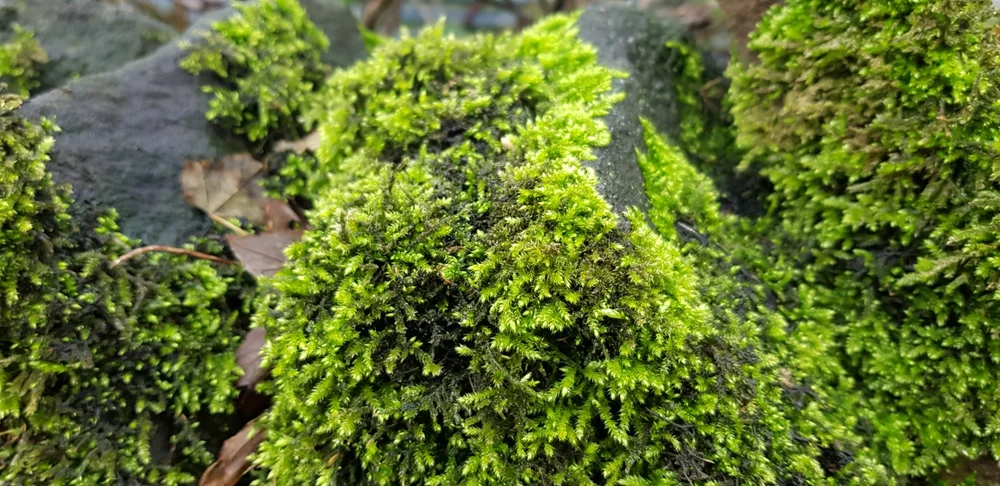
Source-labeled Brachythecium rutabulum follows the rock’s contours. Look at surface contact and the spreading edge; a similar retail mat still needs its own identity and growing conditions. Image: Helen Waterman · CC BY 4.0 - Choose a living mat supplied from comparable damp conditions.
- Check
- Keep its underside in contact with the matching soil, rock or wood surface. Leave the leafy growth exposed and an edge you can inspect.
- Action
- Seat the patch against the surface without covering its green stems. Check the supplied growing conditions before using a woodland specimen in warm glass.
- Stop or reassess
- A sheet label or resemblance to this photograph does not identify the plant.
- A raised cushion
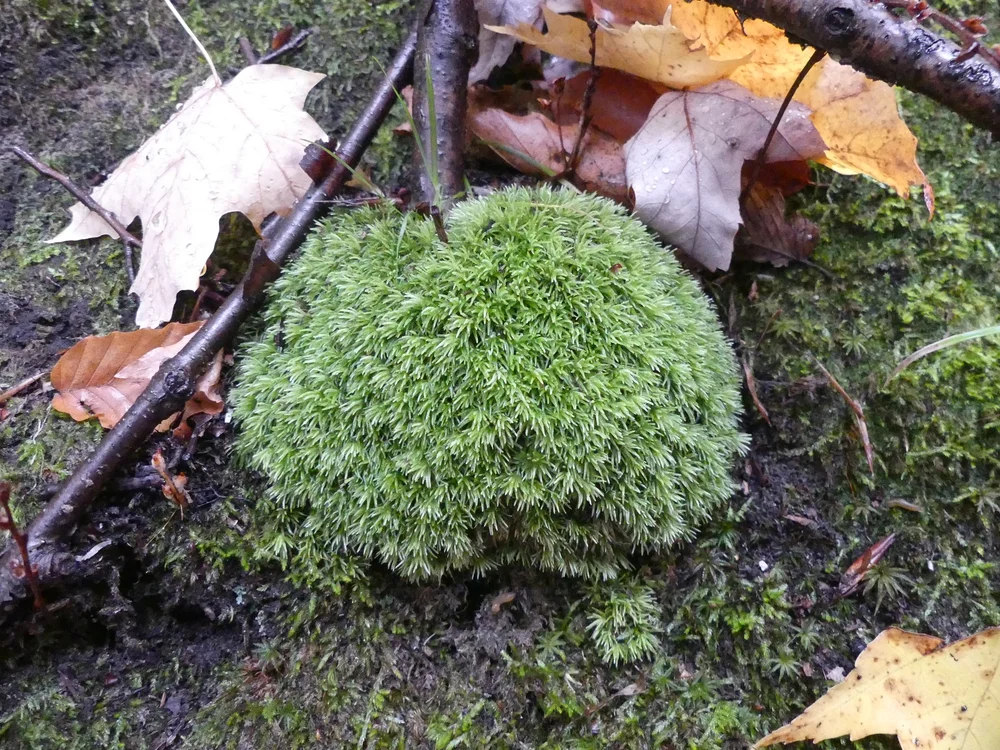
Source-labeled Leucobryum glaucum forms a raised cushion. Allow for its existing height and footprint; appearance alone cannot separate similar cushion species. Image: Christian Grenier · CC0 1.0 - Choose a named cushion whose existing mound fits the space.
- Check
- Measure its height as well as its footprint. Similar Leucobryum cushions can have different moisture contexts.
- Action
- Keep the mound intact on its suitable surface, with growing tips uncovered and space beside it. Retain its own moisture instructions.
- Stop or reassess
- Do not flatten it into a sheet or infer a standing-water requirement from the cushion shape.
- A deliberately wet moss feature
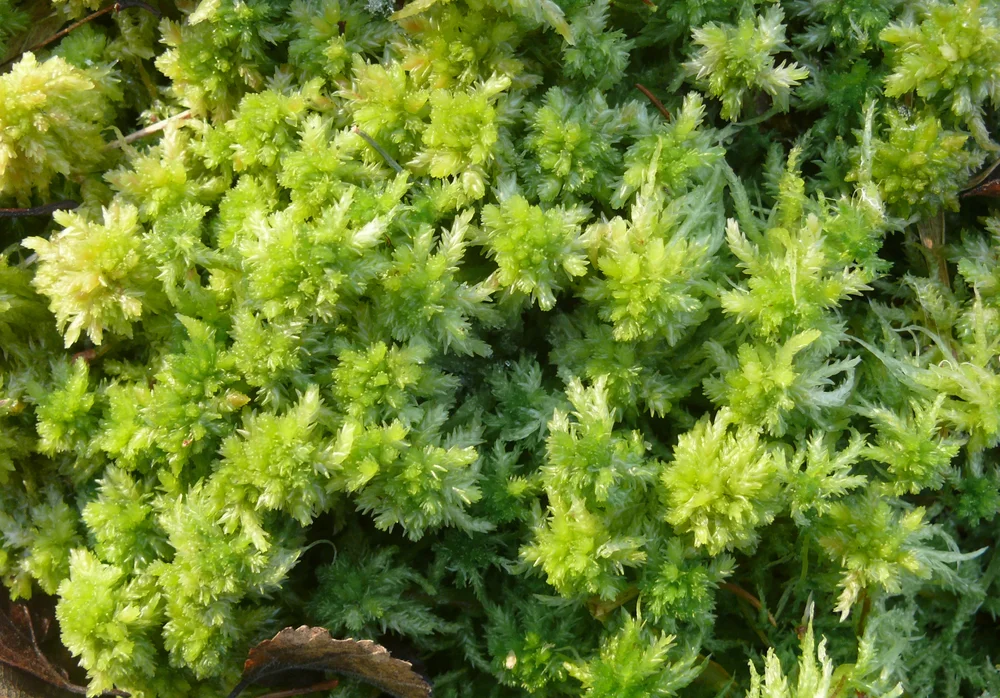
These living Sphagnum heads sit above branching stems. The source labels S. palustre; use this as a growth-form example and obtain care for the culture you buy. Image: Bernd Haynold · CC BY-SA 3.0 - Choose an identified living Sphagnum culture and its water routine.
- Check
- Its wet, often acidic setting can conflict with neighboring roots. The photograph shows living heads, not a dried medium ingredient.
- Action
- Use a separately managed reachable culture when the other plants need a different root environment. Keep growing tips exposed and check actual water conditions.
- Stop or reassess
- A stone border in a connected bed does not isolate moisture or acidity.
- Check the product label and treatment Separate living material from dried, peat and preserved products.
Scope and important limits
A useful fit when
- Buying living terrestrial moss and planting a reachable patch in an openable humid display.
- Separating named moss habitats, trade shapes, growing plants, and processed materials.
Use another path when
- Identifying an unknown moss from a retail photograph or green color alone.
- Applying one tropical temperature, acidic soil, or underwater routine to every moss.
The planting plan adapts outdoor moss establishment principles to a small inspectable container. Habitat references help you choose; they are not site growing trials or a verdict for every product carrying the same trade name.
Check the product before planting it
| Label or material | What it establishes | What to confirm before buying |
|---|---|---|
| Living sheet moss | A flat mat is a shape, not a botanical identification. A sheet may also be sold dried or preserved. | Ask for botanical identity, confirmation that it is living and untreated, and the surface and conditions in which it was grown. |
| Living cushion / pillow moss | A mound is a growth form. Leucobryum includes similar-looking species with different habitats. | Ask which species forms the mound, its current height and width, and the supplied moisture conditions. |
| Living Sphagnum | A real moss genus associated with very wet habitats; it can acidify its surroundings. | Confirm it is a living culture and obtain species-specific water and temperature guidance; green color alone is insufficient. |
| Dried long-fiber Sphagnum | Fibrous growing-medium material, distinct from a purchased living culture. | Use only where its water retention suits the intended plant and mix. Rewetting is preparation of a material, not evidence that it will produce a live carpet. |
| Sphagnum peat / peat moss | Partly decomposed accumulated material harvested for growing media, not living leafy moss. | Treat it as a medium ingredient with its own water and acidity effects. Do not buy it to plant a surface carpet. |
| Preserved, stabilized, or dyed decorative moss | A processed decorative product; green color does not establish living growth. | Keep it out of the living patch plan. Follow its product instructions; Koch’s preserved reindeer material requires dry conditions and protection from excessive humidity. |
Match the named moss to the surface and moisture
Compare these named habitat examples with the seller’s material. Shape alone cannot confirm species or success in warm glass. For Leucobryum, use the revised species concepts: the older BBS guide is retained as the historical reference behind the withdrawn moisture contrast, not current cultivation advice.
| Identified reference | Source habitat or form | Decision for your display |
|---|---|---|
| Mnium hornum · swan’s-neck thyme moss | RHS describes an acid-soil woodland moss also found on logs, rocks, and tree bases. | Compare for a damp woodland-style patch when the supplied plant’s indoor conditions match. Check its actual upright growth and growing surface rather than calling every moss a flat sheet. |
| Brachythecium rutabulum · rough-stalked feather-moss | RHS describes variable form and color across soil, logs, stumps, rocks, walls, and lawns. | Compare a named spreading material for a reachable surface. Its varied habitat and appearance do not identify an unlabeled retail mat or guarantee permanently sealed culture. |
| Leucobryum glaucum / L. juniperoideum | Similar cushions need careful identification. The 2023 revision confirmed L. albidum in Europe; many earlier British and Irish records called L. juniperoideum referred to that species. The current society account describes L. juniperoideum in humid oceanic habitats, including wet rocks and rotting wood. | Do not use an older “avoids wet places” description as current L. juniperoideum care advice. Ask for the supplied culture’s identity and growing conditions; neither a cushion photo nor a wild habitat establishes warm sealed cultivation. Measure the mound and keep it out of standing water unless its own culture guidance requires otherwise. |
| Identified Sphagnum culture | ANBG describes very wet, nutrient-poor habitats and acidification; species differ in water relations. | Use for a deliberate wet moss setting, with growing tips exposed and species care checked. It is a different decision from a damp, draining woodland surface or succulent pot. |
- Place a living patch without burying it Prepare the matching surface, retain contact, and make watering observable.
Ask for more than the word moss
- Get the botanical name and living statusAsk whether the material is growing, dried, preserved, dyed, or glued to a backing. If the seller cannot identify a mixed sheet, choose a named culture with useful care information instead of assuming the whole mix shares one requirement.
- Ask what it grows on and how it has been keptRequest the surface material, light, temperature range, moisture routine, and whether it is grown indoors. A moss from exposed concrete, dry rock, or cool outdoor woodland is not automatically a warm humid terrarium plant. Some mosses require alkaline surfaces; acid peat is not universal.
Evidence[3]
- Choose responsibly sourced materialAsk for propagation or collection origin and check applicable permission and conservation rules. Do not strip wild moss colonies to fill a jar; cultivated material gives you a clearer starting identity and growing history.
Evidence[1]
- Inspect the patch and its undersideLook for intact leafy growth and a manageable attached surface. Check for debris, unwanted seedlings, insects, backing, and treatments before adding it. Keep uncertain material in a separate inspectable container; rinsing alone cannot establish that a patch is pest-free or untreated.
Place the patch with its green growth exposed
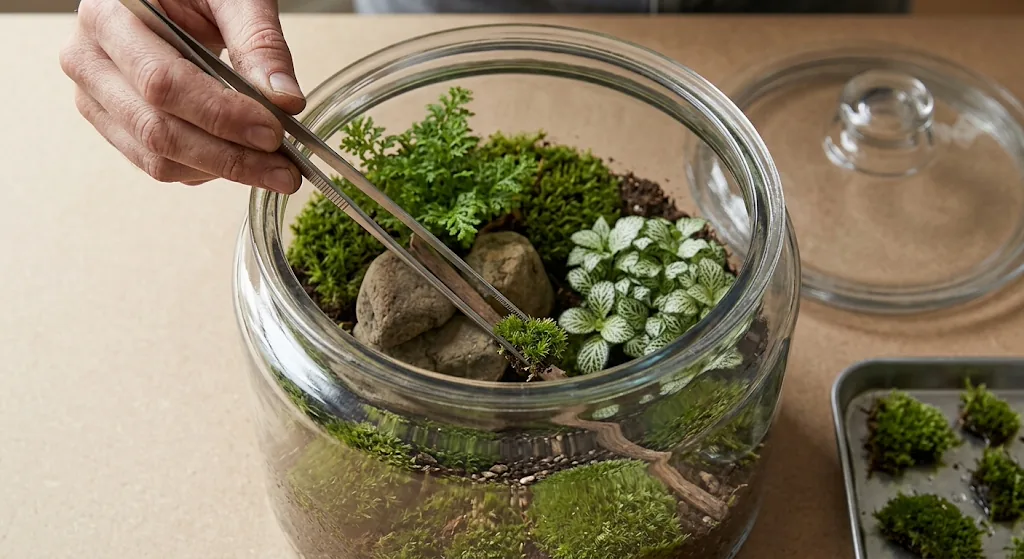
Plant a damp-surface moss patch
For identified terrestrial moss that matches a moist, draining surface. This is a small-container adaptation of Extension’s soil-contact and establishment guidance, not a recipe for every bog, rock, or aquatic moss.
Set the conditions before placing the moss
Choose an openable container with access to the whole patch. For a humid foliage display, start in bright indirect light and avoid direct sun through glass. Confirm the moss’s temperature and surface requirements with its identity; high humidity does not replace light or make an outdoor species tropical.
Moisten the appropriate surface
Use the supplied culture’s suitable soil, wood, or rock surface. For soil-grown moss, dampen and gently level the surface without leaving a pool. Preserve enough attached material to keep the rhizoids intact rather than stripping the underside to make a cleaner-looking sheet.
Set the patch leafy side up
Lay the underside against the damp surface and press gently for contact. Keep the leafy stems above the medium; do not cover them with soil, gravel, or another mat. Keep a cushion’s shape. Leave exposed inspection areas and a reachable boundary around neighboring stems.
Water the patch while watching the surface
Wet gently so the patch and its contact surface become moist. Add small amounts and stop before water accumulates around terrestrial foliage. Check both the surface and the lower planting bed; condensation on glass does not tell you whether the moss has good moisture contact.
Observe establishment without repeatedly lifting it
Keep this damp-surface patch from drying during establishment and protect it from disturbance. Watch new tips or edge growth rather than expecting instant coverage. Record its starting appearance so you can distinguish new growth from a temporary color change after watering.
- Prepare the vessel before placing a living patch Keep the identified moss’s surface and moisture conditions here; use the full assembly sequence for the surrounding display.
Give living Sphagnum its own wet-area decision
Keep Sphagnum’s living growing tips lit and compare the culture’s moisture needs with the actual water level. A humid lid cannot establish that the tips have enough water; do not transfer a woodland-patch watering interval to it.
In a small display, use a separately managed reachable culture when the neighboring roots need draining soil, less water, or different acidity. Check the culture’s water specification. When it is part of a specialist carnivorous-plant routine, follow that plant’s water and medium requirements too; do not add houseplant fertilizer simply because another plant is being fed.
Living Sphagnum can overgrow seedlings and small plants. Remove encroaching pieces before they cover a neighbor, keep debris out, and use dried material when the intended plant’s documented mix calls for it. A strip of stones in a connected wet bed does not make independently managed water zones.
- Choose a carnivore’s water and medium together Keep plant-specific bog, aerated-root, and seasonal care distinct.
Check the patch before changing its care
- The top becomes pale or feels dry
- Compare hydration with its normal appearance.
- Check
- Check the growing surface, recent heat, light, and identity. Leucobryum naturally becomes whitish when dry; color alone does not show that it is dead.
- Action
- For the damp-surface plan, gently rewet a dry patch and its contact surface, then observe the response and new growth. Move overheated glass out of direct sun.
- Stop or reassess
- If the medium is already wet, stop adding water and inspect other conditions. Do not declare revival from green color alone.
- The lower growth is buried or continually flooded
- Restore light and the intended surface moisture.
- Check
- Look for fallen leaves, another mat above the patch, water pooling, or foliage shading the growth.
- Action
- Remove debris gently, restore exposed growing tips, and reduce excess water for the terrestrial damp-surface plan. Keep the appropriate wet routine for an identified Sphagnum culture.
- Stop or reassess
- Do not treat a bog species and a woodland surface as the same watering problem.
- Fuzzy growth appears on debris
- Inspect moisture and decaying material.
- Check
- Distinguish the fuzzy material from leafy moss and stalked spore capsules; appearance alone does not establish a disease.
- Action
- Remove affected dead debris, open the container for access and ventilation, and reassess watering. Remove a decaying patch if it cannot be cleaned or managed in place.
- Stop or reassess
- Do not add fertilizer or household disinfectant as a response to an unidentified growth.
- A mat or mound crowds another plant
- Restore a reachable boundary.
- Check
- Check whether it covers seedlings, stem bases, or the surface you use to inspect roots.
- Action
- Lift out or trim the encroaching portion carefully and remove the pieces. Preserve exposed crowns and an inspection area; use a separate moss display when shared care cannot work.
- Stop or reassess
- If access is too narrow to maintain the edge, change the layout or remove the patch.
Spanish moss, spikemoss, and reindeer moss need different decisions
Spanish moss is Tillandsia usneoides, a flowering epiphyte with hanging strands. It belongs on an airy support with its own watering and drying routine, not planted as a soil carpet.
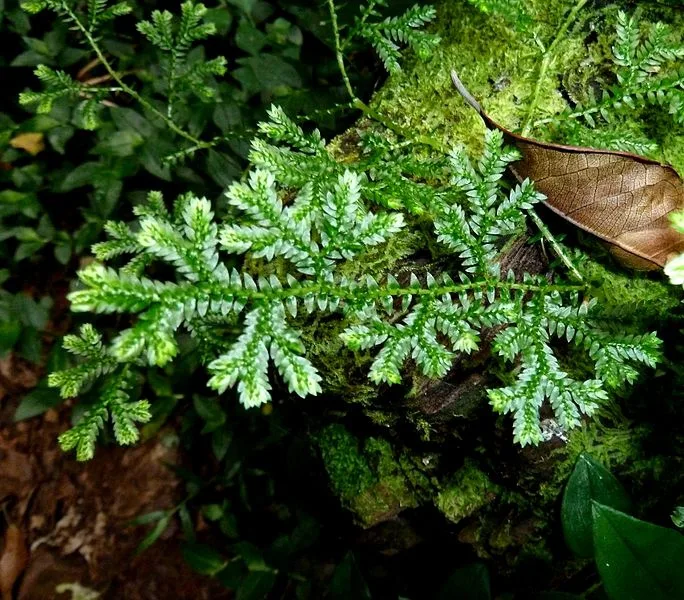
Krauss’s spikemoss is Selaginella kraussiana, a vascular plant with spreading leafy stems. Its moist, draining rooted-plant care and trimming needs differ from the true-moss surface plan. Neither its common name nor its small leaves make it a botanical moss.
Reindeer moss is a lichen. Preserved craft material is a decorative product, so read the actual treatment and care label instead of misting it as a live moss. Its green appearance cannot establish a living terrarium member.
- Choose an open support for Spanish moss Read its actual hanging-plant conditions and care.
- Compare Selaginella with humid rooted plants Check growing conditions, spreading growth, and required management.
A moss name can point to a different plant
Evidence[12]
Your next step
Use your plant shortlist
More detail when you need it
- Find a seller for identified growing materialUse regional catalogs and delivery terms alongside this page’s living-status and identity checks.
- Compare an openable humid plantingChoose neighboring plants by their complete requirements; humidity alone does not establish compatibility.
- Browse recorded plant identitiesSeparate moss-like names from the plants and conditions actually recorded.
Explore more in plants
Sources and review
- Algae, lichens, liverworts and mosses · Royal Horticultural Society
- Leucobryum glaucum / juniperoideum — historical guide, before the 2023 revision · British Bryological Society
- Bryophyte micro-habitats · Australian National Botanic Gardens
- Sphagnum: habitats, acidity, water and peat · Australian National Botanic Gardens
- What is a bryophyte? — water absorption and conduction · Australian National Botanic Gardens
- Lawn Moss: Friend or Foe? — transplanting and establishment · Virginia Cooperative Extension
- Embracing Moss · University of Vermont Extension
- Moss in the Landscape — Sphagnum and peat · University of Maryland Extension
- Terrariums and bottle gardens · Royal Horticultural Society
- Growing Carnivorous Plants Peat-Free — living and dried Sphagnum · The Carnivorous Plant Society
- Preserved reindeer moss — decorative product and care limits · Koch & Co
- Selaginella kraussiana · NC State Extension
- Tillandsia usneoides · NC State Extension
- Leucobryum juniperoideum — current species concept and habitat · British and Irish Bryological Society
- A molecular and morphological study of Leucobryum in Britain and Europe (2023) · Journal of Bryology
- Leucobryum — identification after the 2023 revision · Conservatoire botanique national de Brest